

Apr 24th 2026
What Is Stress Doing To Your Body?
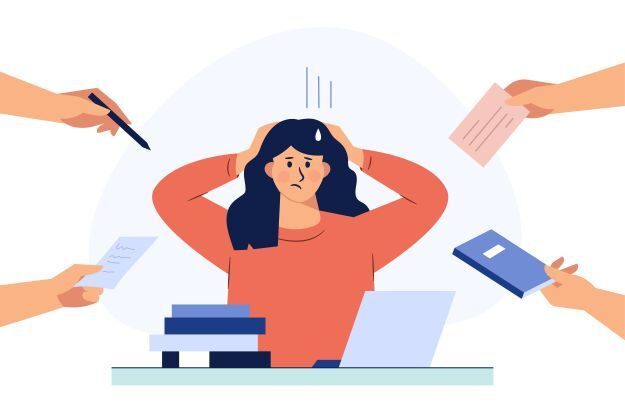
Stress is more than a feeling in your head; it’s a full‑body reaction that can quietly drain your health over time. When you understand what’s happening inside, you’re more empowered to change it.
What actually is stress?
- Stress is your body’s response to a perceived threat or demand, triggering the “fight‑or‑flight” response.
- Hormones like cortisol and adrenaline rise, your heart rate and blood pressure go up, muscles tense, and your mind goes on high alert.
- Short bursts of stress can be helpful, like meeting a deadline or reacting quickly to avoid an accident.
The problem starts when stress becomes chronic and your body never really gets to relax.
The hidden health effects of chronic stress
When stress sticks around for weeks or months, it can:
- Raise blood pressure and strain the cardiovascular system.
- Disrupt digestion and contribute to digestive disorders.
- Alter immune function, creating low‑grade inflammation and making you more prone to infections.
- Affect the brain, increasing risk of anxiety, depression, and addictive behaviors.
You may notice this as constant fatigue, headaches, muscle tightness, irritability, brain fog, or poor sleep.
Everyday stressors you might be overlooking-stress effects on body
Common chronic stress triggers include:
- Financial worries
- Work overload or job insecurity
- Relationship conflict or caregiving strain
- Long‑term health issues
- Digital overload and always being “on”
Many people become so used to this background stress that they no longer recognize it as a problem.
Simple daily shifts to calm your system
You don’t have to overhaul your life overnight. Start with a few sustainable changes:
- Move your body most days: Walking, stretching, yoga, or dancing help burn off stress hormones and release feel‑good endorphins.
- Protect your sleep: Aim for at least seven hours; healthy sleep helps bring elevated cortisol back down.
- Practice mindful breathing: Slow, deep breaths tell your nervous system that you are safe, which can quickly lower tension.
- Do less, more slowly: Double the time you allow for tasks and avoid multitasking when you can.
If you love natural approaches, this is also where herbs traditionally used for relaxation and nervous‑system support can complement lifestyle changes (always check with your health provider, especially if you take medications).