Mar 25th 2026
What Is Red Light Therapy?
What Is Red Light Therapy?
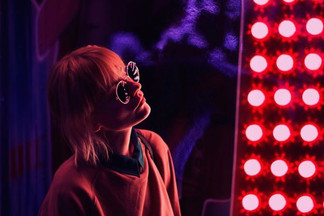
Red light therapy, also called photobiomodulation or low-level light therapy, uses specific wavelengths of red and near‑infrared light to gently penetrate the skin and influence how your cells function. Unlike ultraviolet (UV) light, it does not tan or burn the skin and is not used for radiation‑type treatments. Typical devices emit light in the red range around 630–700 nanometers and sometimes near‑infrared light up to about 850 nanometers.
When this light reaches your cells, it interacts with components in the mitochondria, the tiny “power plants” that help produce cellular energy. This interaction can increase energy production, support collagen formation, improve blood flow, and influence inflammation signaling in tissues. The result, for some people, is better skin quality, less pain, and faster recovery from certain types of tissue stress.
Potential Benefits: What The Science Supports (and What It Doesn’t)
Researchers have looked at red light therapy across many conditions, with stronger evidence for some uses than others. It is important to think of it as a supportive tool, not a magic cure‑all.
Skin Health and Anti‑Aging
- May improve fine lines and wrinkles by supporting collagen production and skin elasticity.
- Can help even skin tone, soften rough texture, and reduce appearance of sun damage and hyperpigmentation over time.
- Often used alongside blue light to calm inflamed acne, reduce redness, and speed healing of active breakouts.
Wound Healing and Skin Conditions
- Used for minor wounds, mouth sores from certain chemotherapy drugs, and post‑procedure healing to support tissue repair.
- Sometimes part of treatment plans for psoriasis, eczema, and other inflammatory skin conditions to reduce redness and irritation.
- Early dermatology applications included helping manage precancerous skin lesions in combination with topical medications (photodynamic therapy), not as a stand‑alone cancer treatment.
Hair Growth
- Clinical studies suggest that consistent red light exposure to the scalp can help regrow thinning hair by increasing blood flow to hair follicles and supporting cellular activity.
- Benefits usually appear after months of regular use, and results vary by individual and underlying cause of hair loss.
Pain, Recovery, and Inflammation
- Used to support pain management for muscle soreness, joint pain, and discomfort related to some treatments.
- Light exposure may reduce inflammatory markers and support faster recovery after exercise or tissue stress.
- Some athletic and physical therapy centers use it as a complementary tool for performance and recovery; however, the research is still evolving.
Areas With Limited or Early Evidence
- Weight management, mood, sleep, and cognitive conditions (like dementia and ADHD) are being studied, but current evidence is more preliminary and mixed.
- Experts note that while mechanisms are plausible, large, long‑term human trials are still limited in many of these areas.